
Investing in a targeted database offers several strategic advantages for B2B marketers, especially when aiming to reach logistics, warehousing, and procurement professionals more effectively:
Follow us on :
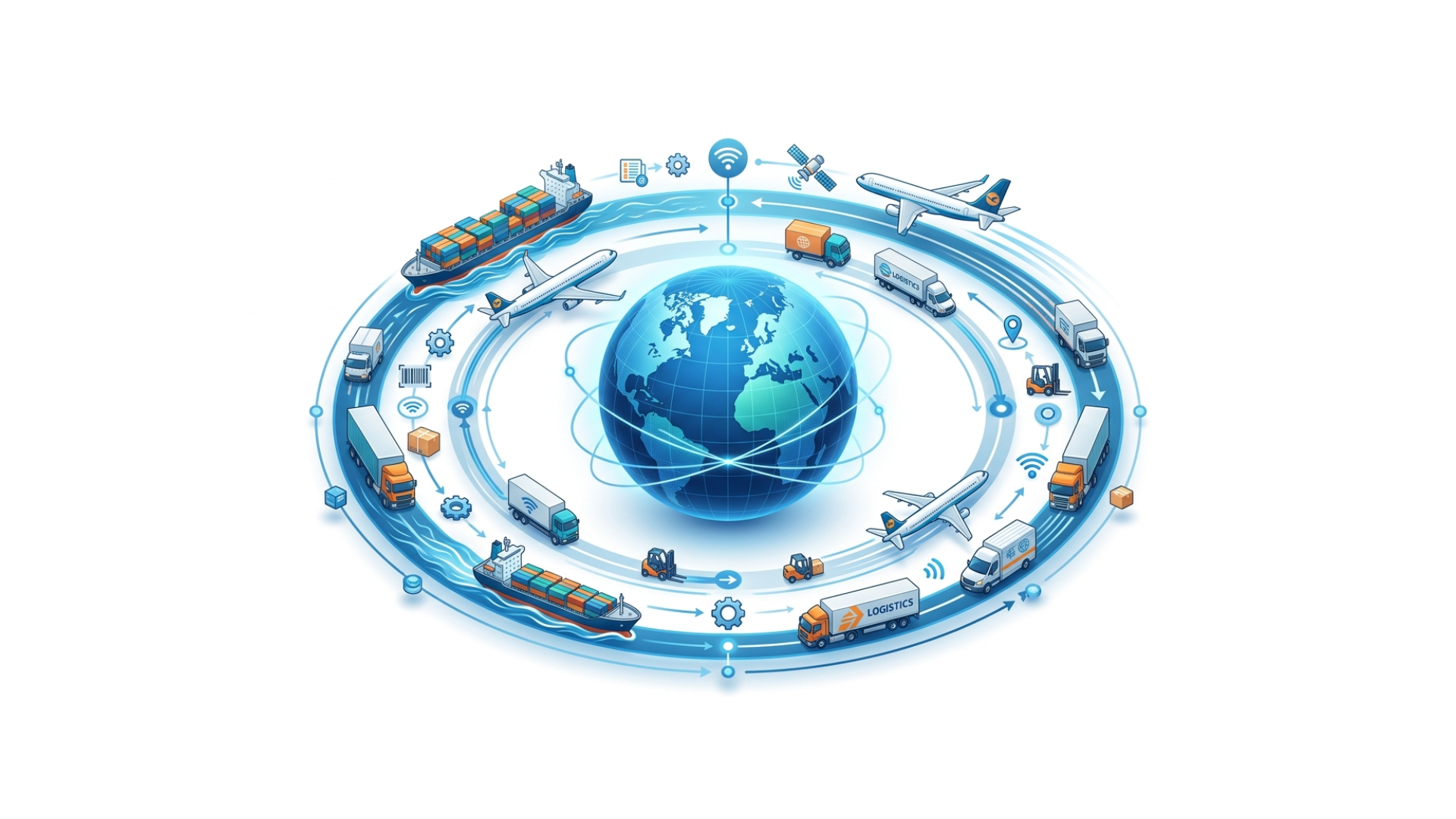
Reaching logistics, warehousing, and procurement professionals has become more challenging as competition grows across the supply chain industry. Businesses can no longer rely on generic outreach methods that fail to connect with the right audience. A targeted supply chain mailing list allows marketers to directly engage with decision-makers who are actively involved in operations, sourcing, and distribution.
With access to a verified supply chain email list, companies can run more focused and personalized campaigns. This not only improves engagement but also helps generate qualified leads faster. In 2026, using accurate and segmented data is essential for driving consistent growth and maximizing ROI in B2B marketing.
A supply chain mailing list is a structured database of professionals across logistics, warehousing, procurement, and supply chain operations. It helps businesses connect directly with decision-makers for targeted B2B marketing, lead generation, and outreach. Instead of broad efforts, it enables more precise and focused audience targeting.
A reliable supply chain mailing list includes multiple data points that help you understand and target your audience effectively. These fields are essential for segmentation, personalization, and improving campaign performance:
Full Name – Identifies the contact for personalized communication
Job Title / Designation – Helps target roles like managers, directors, and executives
Business Email Address – Primary channel for email marketing campaigns
Phone Number – Useful for telemarketing and direct sales outreach
Company Name – Provides context about the organization
Industry Type – Enables targeting within specific supply chain segments
Company Size (Employees/Revenue) – Helps identify small, mid-sized, or enterprise businesses
Location (City, State, Country) – Supports geo-targeted campaigns
LinkedIn Profile or Online Presence – Adds value for social selling and multi-channel engagement
These data fields make your supply chain contact list more actionable, allowing you to create highly targeted campaigns that reach the right professionals at the right time.
Investing in a targeted database offers several strategic advantages for B2B marketers, especially when aiming to reach logistics, warehousing, and procurement professionals more effectively:
Instead of spending months collecting and verifying contacts manually, you get immediate access to a ready-to-use supply chain mailing database, helping you launch campaigns quickly and efficiently.
Reduces time spent on data collection and research
Enables faster campaign execution
Helps sales teams focus on closing rather than prospecting
Advanced segmentation allows you to refine your audience based on specific criteria, ensuring your message reaches the most relevant prospects.
Target by job roles (managers, directors, executives)
segment by industry segments like logistics or procurement
Segment by location, company size, or revenue
When your outreach is directed at the right audience, your chances of engagement and conversion increase significantly. A well-segmented Supply Chain & Logistics Email List helps optimize marketing spend.
Minimizes wasted outreach efforts
Improves conversion and response rates
Maximizes return on marketing investment
With detailed and structured data, businesses can create more relevant and personalized messaging that resonates with each segment.
Customize emails based on job role or industry
Deliver more relevant offers and solutions
Increase open rates and engagement
A targeted Supply Chain Executives Mailing List ensures your campaigns reach professionals who influence or make purchasing decisions within their organizations.
Connect with procurement heads and supply chain leaders
Engage C-level and senior executives
Shorten the sales cycle by reaching the right contacts directly
Access CampaignLake's Industry-Specific Email Database
A supply chain email list helps businesses connect with logistics, warehousing, and procurement professionals for more targeted B2B outreach.
| Industry / User | How They Benefit |
|---|---|
| SaaS Companies | Promote supply chain or logistics software directly to relevant users and decision-makers |
| Logistics & Transportation Providers | Connect with companies needing shipping, fleet, or warehousing services |
| Manufacturers & Distributors | Reach procurement teams responsible for sourcing products and managing suppliers |
| Consulting Firms | Engage businesses looking to improve supply chain operations and efficiency |
| Marketing Agencies | Run targeted B2B campaigns and improve outreach performance |
Simply having a supply chain email list isn’t enough—you need a clear strategy to turn data into results.
Using the right approach, a supply chain contact list can significantly improve engagement, lead quality, and conversions.
Having access to data is just the first step. To get real results, you need a clear and structured approach that turns contacts into meaningful opportunities.
Dividing your supply chain mailing list into smaller, targeted groups helps improve campaign relevance and engagement.
Using data insights to tailor your communication makes campaigns more relevant. Personalized emails that address specific roles and challenges can improve engagement and response rates.
Relying on one channel can limit reach. Combining email campaigns using a Supply Chain Industry Email Database with LinkedIn and digital ads helps reinforce your message and improve overall visibility and engagement.
Tracking campaign performance is essential to understand what works best. Monitoring metrics such as open rates, click-through rates, and conversions allows you to refine your strategy and continuously improve results.
Regularly updating and cleaning your database ensures better deliverability and long-term success. Removing inactive contacts and validating data helps maintain accuracy and protects your sender reputation.
Choosing the right data provider is key for successful outreach. CampaignLake delivers accurate, targeted, and ready-to-use data to help you connect with the right supply chain professionals.
With CampaignLake, you gain a dependable data partner to improve targeting, boost engagement, and generate high-quality B2B leads.
Ready to Reach More Decision-Makers?
Access verified business decision-maker data worldwide. Filter, download and build targeted outreach lists in minutes—without manual scraping or guesswork.
Get started with Campaign Lake today and connect with the right supply chain decision-makers.
A supply chain mailing list is a database of professionals working in logistics, procurement, warehousing, and supply chain roles. It includes verified contact details that help businesses connect with decision-makers for targeted B2B marketing and lead generation.
Industries like logistics, manufacturing, ecommerce, transportation, and consulting can benefit from a supply chain contact list to improve outreach and connect with key decision-makers.
Businesses such as SaaS providers, logistics companies, manufacturers, consulting firms, and marketing agencies can use a supply chain email list to reach relevant professionals and generate qualified B2B leads.
A supply chain contact list typically includes names, job titles, email addresses, phone numbers, company details, location, and other firmographic data to support targeted marketing campaigns.
A targeted supply chain mailing list allows businesses to reach the right audience directly, reducing wasted outreach and improving response rates, which leads to better lead generation and higher conversions.
Yes, using a Supply Chain Email Database is legal when it follows regulations like GDPR and CAN-SPAM. Working with a compliant data provider ensures your campaigns remain safe and effective.
CampaignLake provides verified, customizable, and regularly updated data tailored to your needs. With accurate targeting and compliance-focused practices, it helps businesses improve engagement and generate better B2B results.

David Jax is a seasoned B2B marketing strategist specializing in targeted email lists and data-driven outreach solutions. With years of experience in lead generation and sales enablement, David helps businesses connect with the right audiences through precision-based marketing tactics. His ability to translate complex data into clear, actionable strategies has made him a trusted voice in the B2B space. Outside of his writing, David is passionate about exploring emerging trends in marketing technology and refining techniques that maximize campaign performance. He regularly contributes to leading industry blogs and enjoys sharing insights that help marketers turn data into growth.