Follow us on :

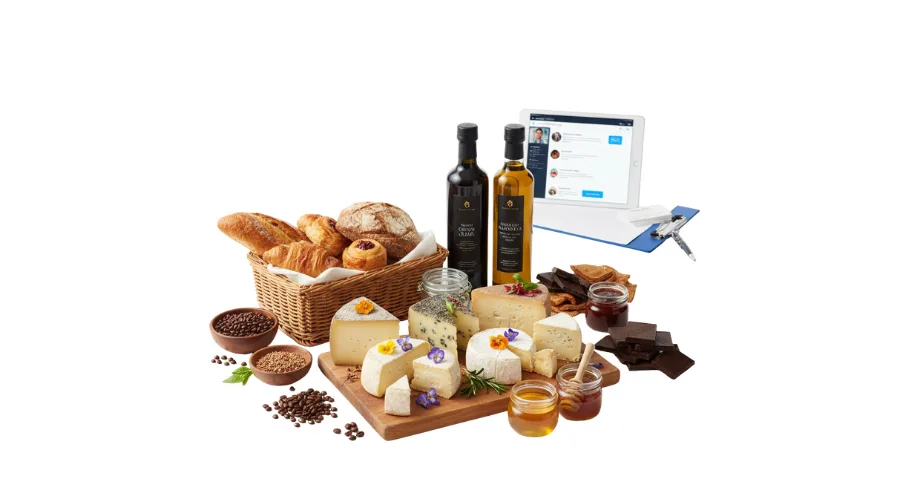
The specialty food retail industry has transformed into one of the fastest-growing segments of the global food market. Consumers are actively seeking organic, artisanal, gourmet, vegan, gluten-free, and locally sourced products—driving a surge in specialty food stores across cities and suburban neighborhoods. For brands, distributors, and service providers, this creates a massive opportunity to connect with retail buyers who are constantly searching for new products and partnerships.
However, reaching these decision-makers at scale can be challenging without the right data. A targeted Specialty Food Stores Email List gives businesses direct access to store owners, buyers, and purchasing managers, enabling personalized outreach, faster lead generation, and predictable sales growth.
This guide explains everything marketers, SaaS companies, distributors, and suppliers need to know to generate high-quality leads from the specialty food retail market and build a consistent B2B pipeline.
A Specialty Food Stores Email List is a highly targeted B2B contact database containing verified decision-makers working in gourmet and niche food retail businesses.
These professionals are directly responsible for:
Sourcing new products
Evaluating suppliers
Managing inventory and merchandising
Adopting retail technology
Expanding partnerships and vendor networks
Instead of spending weeks searching LinkedIn, directories, and Google Maps, businesses can instantly connect with thousands of relevant prospects.
The global specialty food market is experiencing rapid growth due to major shifts in consumer buying behavior and lifestyle preferences.
Consumers today prioritize:
Health and wellness
Premium experiences
Sustainable sourcing
Transparency in ingredients
Convenience and online ordering
This shift has dramatically increased the number of specialty food retailers worldwide.
Explore CampaignLake's B2b Email Database
A specialty food retail contact database supports multiple industries and use cases. Businesses across different sectors rely on this data to build predictable sales pipelines.
Emerging and established brands constantly compete for retail shelf space. Buyers receive dozens of pitches weekly, making targeted email outreach critical.
Email campaigns help brands:
Introduce new product launches
Pitch seasonal collections
Secure distribution partnerships
Schedule product demos and tastings
Enter new regional markets faster
Distributors depend on strong retailer networks. Email outreach helps them rapidly expand their client base and maintain steady order volume.
Distributors use email campaigns to:
Promote new product catalogs
Announce bulk pricing offers
Increase recurring wholesale orders
Launch seasonal promotions
Specialty food brands invest heavily in premium packaging to stand out on shelves.
Email campaigns help packaging companies promote:
Sustainable and eco-friendly materials
Private label packaging services
Compliance and labeling solutions
Custom branding services
Retail technology adoption is growing rapidly as specialty stores modernize operations.
High-demand solutions include:
POS and payment systems
Inventory management software
Customer loyalty programs
Retail analytics platforms
E-commerce integrations
Perishable goods require reliable transportation and storage solutions.
Targeted outreach helps generate:
Shipping contracts
Warehousing partnerships
Cold chain logistics agreements
Last-mile delivery deals
A high-quality specialty food stores mailing list contains rich data attributes that enable advanced targeting and personalization.
A high-quality specialty food stores mailing list includes key details that help you target the right buyers and personalize outreach. This typically covers contact information like full name, job title, verified email, phone number, and LinkedIn profile.
It also includes company details such as store name, number of locations, revenue range, employee size, and store type (organic, gourmet, vegan, or ethnic). In addition, geographic data like city, country, and postal code is provided, along with marketing insights such as e-commerce usage, POS systems, online ordering, and social media presence. These details help improve targeting, personalization, and campaign performance.
1. Faster Lead Generation: Manual prospecting can take months. With a verified database, outreach can begin immediately.
2. High Conversion Rates: Email remains one of the highest ROI marketing channels, especially for B2B industries.
3. Scalable Outreach: Businesses can reach thousands of targeted prospects within minutes.
4. Precise Targeting – Segment contacts by:
5. Lower Customer Acquisition Cost: Compared to paid ads and trade shows, email outreach offers a significantly lower cost per lead.
Email outreach is no longer about sending mass promotional messages. In 2026, successful campaigns are built on relevance, personalization, and clear value. Specialty food store buyers receive dozens of supplier emails every week, so your outreach must quickly show why your message matters to their store and customers. A structured, value-driven email strategy helps you stand out, build trust, and increase reply rates.
Personalization increases engagement dramatically and shows that your outreach is thoughtful, not automated. Use the recipient’s first name, mention the store name, and highlight how your product or service fits their specific store type or customer base.
Instead of pushing a product, focus on how you solve real problems for specialty food retailers. Talk about increasing margins, attracting more customers, improving operations, or simplifying logistics. Buyers respond better when they see clear business value.
Most responses happen after follow-ups, not the first email. A simple 3–4 email sequence works best: start with an introduction, follow with a value-focused message, share a case study or proof, and finish with a polite breakup email to prompt a reply.
Every email should end with one simple action. Avoid multiple options and keep the next step easy. Strong CTAs include booking a call, requesting product samples, or downloading a catalog. Clear CTAs improve conversion and move prospects into your sales pipeline faster.
Subject lines should be short and personalized to improve open rates.
Hi {{First Name}},
We’re helping specialty food stores increase repeat purchases and customer loyalty with premium products shoppers love.
Would you be open to reviewing our catalog to see if it fits your shelves?
Happy to send samples and pricing.
Best,
{{Your Name}}
CampaignLake provides highly targeted and verified B2B databases designed specifically for lead generation and outreach success.
What makes the data powerful:
Verified and regularly updated contacts
Advanced segmentation capabilities
Global market coverage
Custom list building options
High deliverability support
This helps businesses reach niche retail decision-makers and accelerate growth.
Ready to Reach More Decision-Makers?
Access verified business decision-maker data worldwide. Filter, download and build targeted outreach lists in minutes—without manual scraping or guesswork.
A specialty food stores email list is a verified B2B database of store owners, buyers, and purchasing managers working in gourmet, organic, and niche food retail stores. Businesses use it to run targeted email campaigns, generate leads, and build wholesale or technology partnerships.
Food brands, distributors, SaaS providers, packaging companies, logistics providers, and marketing agencies benefit the most. Any business that sells products or services to food retailers can use this data to reach decision-makers directly.
The fastest way is targeted B2B email outreach. With verified contact data, businesses can connect directly with store owners and buyers, schedule meetings, pitch products, and build long-term partnerships.
Yes. Email marketing delivers one of the highest ROI channels in B2B marketing because it allows direct, personalized communication with retail buyers actively looking for new suppliers and solutions.
Most databases include contact details (name, job title, email, phone), company information (store name, revenue, locations), geographic data, and marketing insights like e-commerce usage and POS systems.
High-quality databases are regularly verified and updated to maintain deliverability and accuracy. Verified B2B data improves email open rates, reply rates, and overall campaign performance.
Companies use the list for product launches, wholesale partnerships, software demos, event invitations, and seasonal promotions to generate consistent leads and sales opportunities.

Tanoj Kumar writes the CampaignLake blog's guides on B2B data, industry and professional email lists, and B2B lead generation.