Follow us on :

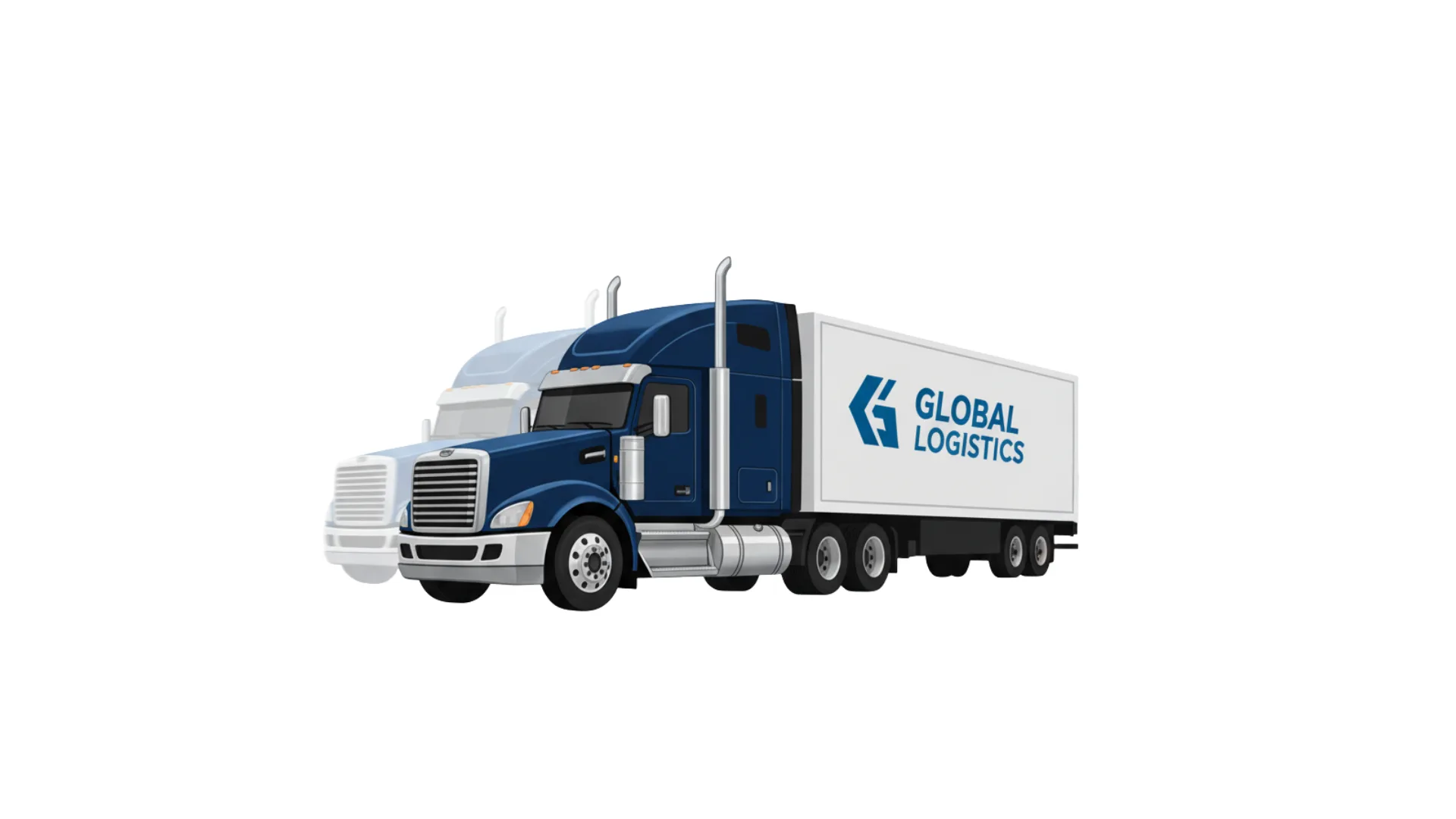
Quick answer: A trucking companies email list is a B2B contact database of motor carriers, from owner-operators and small fleets to large trucking companies, with owner and manager contacts, USDOT and MC numbers where available, fleet size, operation type, and location. Truck dealers, insurers, fuel card and factoring companies, telematics vendors, and freight brokers use it to reach the people who run trucking businesses.
This guide explains how the trucking industry is structured, what a trucking company database should include, how to verify carriers with public FMCSA data, and how to reach trucking businesses effectively. If you want the managers who run vehicle fleets in every industry, see our fleet managers email list guide instead.
Key takeaways
A trucking companies email list is a segmented database of motor carriers and their decision makers. It typically covers owner-operators, small fleet owners, operations and safety managers, and executives at larger carriers, along with company identifiers, fleet details, and location.
You will also see it called a trucking company mailing list, a trucking company email database, or a motor carrier list. Trucking companies are the carriers themselves. Fleet managers, by contrast, run vehicles for companies in any industry.
The American Trucking Associations reported in American Trucking Trends 2024 that 95.5% of carriers operate 10 or fewer trucks and 99.6% operate fewer than 100 power units. The same report found that trucking employed 8.5 million people in industry-related jobs in 2023, including 3.55 million professional drivers.
| Segment | What it means | Typical buyer |
|---|---|---|
| Owner-operators | One-truck businesses, often leased to a carrier or running under their own authority | The owner-driver |
| Small fleets | A few trucks up to about 10 | The owner, sometimes an office manager |
| Mid-size and large carriers | Dozens to thousands of trucks | Operations, safety, maintenance, and finance leaders |
| Private fleets | Companies that haul their own goods | Fleet or transportation managers |
Interstate commercial carriers must register with the Federal Motor Carrier Safety Administration and receive a USDOT number. For-hire carriers that transport regulated freight across state lines also need operating authority, often shown as an MC number. The public FMCSA SAFER system lets anyone look up a carrier’s registration details, which makes it a practical way to spot-check a provider’s sample.
For list buyers, USDOT and MC numbers are useful matching keys. Ask providers whether their records include them and how recently they were checked.
| Field group | Typical fields | How it helps |
|---|---|---|
| Contact | Owner or manager name, business email, phone | Reach the decision maker directly |
| Identifiers | USDOT number, MC number where applicable | Verify carriers and de-duplicate records |
| Fleet | Number of power units, number of drivers | Match offers to fleet size |
| Operation | For-hire or private, cargo types, interstate or intrastate | Target the right segment |
| Location and quality | Address, city, state, last verified date | Plan regional campaigns and re-verify records |
Access CampaignLake's Industry-Specific Email Database
Example segments:
CampaignLake is a B2B data provider that builds custom contact lists. Its trucking company list can be filtered by location, company size, and role. For related audiences, see its fleet managers list and logistics industry list.
Request a sample for your states and fleet sizes, check carriers against FMCSA SAFER, and compare it with other providers before you buy.
Ready to Reach More Decision-Makers?
Access verified business decision-maker data worldwide. Filter, download and build targeted outreach lists in minutes—without manual scraping or guesswork.
A trucking companies email list is a B2B database of motor carriers and their decision makers, including owner-operators, small fleet owners, and managers at larger carriers, with contacts, USDOT and MC numbers where available, fleet size, and location.
ATA’s American Trucking Trends 2024 reported that 95.5% of carriers operate 10 or fewer trucks and 99.6% operate fewer than 100 power units.
Look up the carrier’s USDOT number on the public FMCSA SAFER system, which shows registration details for interstate carriers.
A USDOT number identifies a commercial carrier registered with FMCSA. An MC number refers to operating authority, which for-hire carriers transporting regulated freight across state lines generally need.
A trucking company list targets motor carriers as businesses. A fleet managers list targets the people who manage vehicles at companies in many industries, including utilities, construction, and services.
Common buyers include truck and trailer dealers, insurers, fuel card and factoring companies, telematics and ELD vendors, freight brokers, and parts and maintenance suppliers.
In the United States, CAN-SPAM allows B2B commercial email without prior consent if you follow its rules. Calls and texts have separate rules. This is general information, not legal advice.
Re-verify before each major campaign. Carriers frequently start, stop, and change operating authority.

David Jax is a seasoned B2B marketing strategist specializing in targeted email lists and data-driven outreach solutions. With years of experience in lead generation and sales enablement, David helps businesses connect with the right audiences through precision-based marketing tactics. His ability to translate complex data into clear, actionable strategies has made him a trusted voice in the B2B space. Outside of his writing, David is passionate about exploring emerging trends in marketing technology and refining techniques that maximize campaign performance. He regularly contributes to leading industry blogs and enjoys sharing insights that help marketers turn data into growth.