Follow us on :

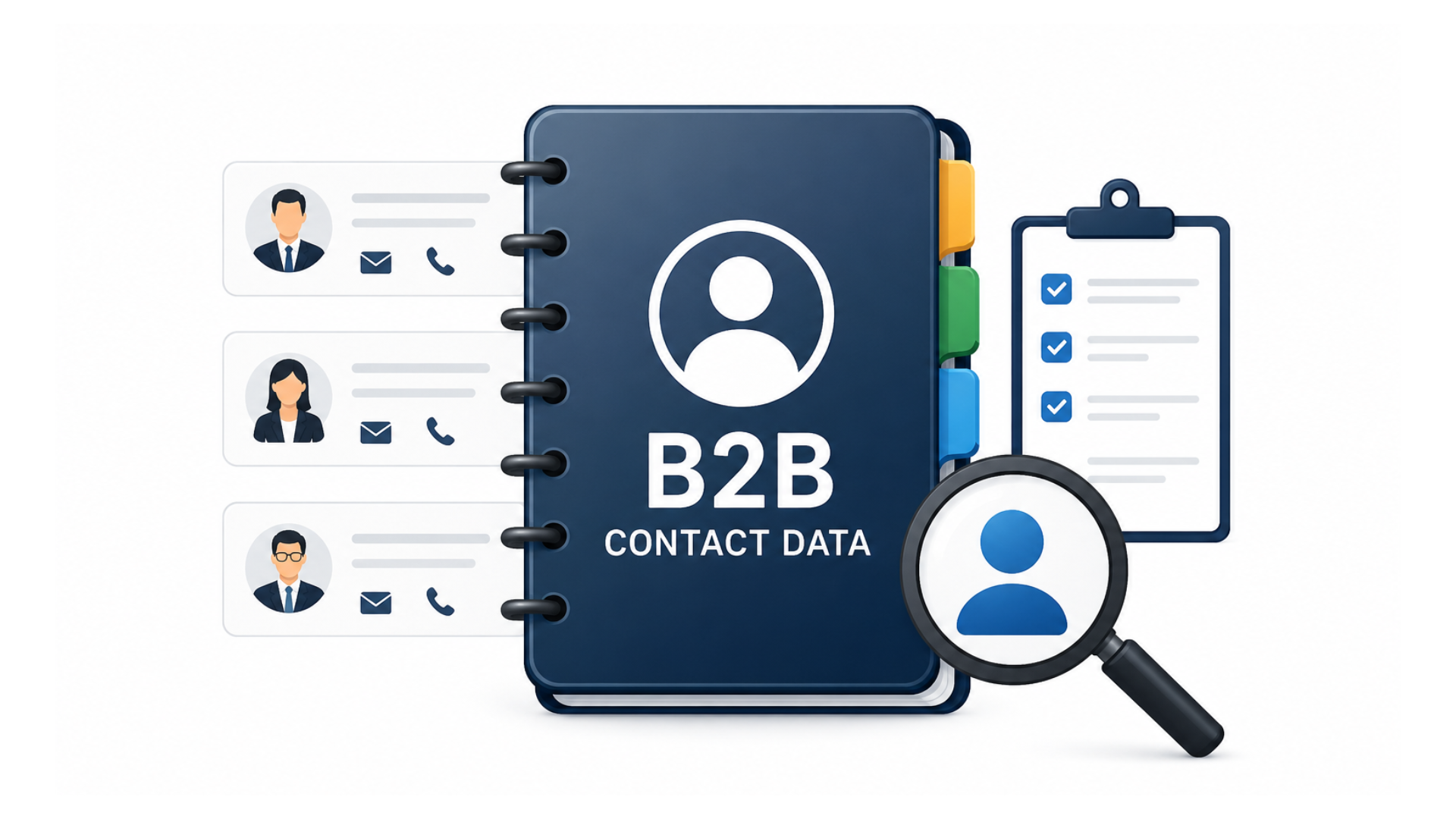
Accurate B2B Contact Data is the foundation of successful sales and marketing campaigns. Whether you’re targeting healthcare professionals, SaaS decision-makers, or enterprise buyers, reaching the right contacts with up-to-date information can improve engagement, conversions, and ROI. However, business data changes constantly as professionals switch roles and companies evolve.
That’s why maintaining high-quality contact databases is essential in 2026. Organizations that regularly verify, update, and manage their records are better equipped to run effective outreach campaigns and avoid costly mistakes caused by outdated information. In this guide, we’ll explore nine practical strategies to keep your database accurate, compliant, and ready for growth.
Every successful database starts with a documented process.
Without defined standards, teams often collect information from multiple sources using different formats, resulting in inconsistent records and duplicate entries.
A strong governance framework should define:
Creating a structured process helps ensure that B2B Contact Data remains accurate and consistent across all departments.
When everyone follows the same standards, your organization spends less time fixing errors and more time engaging qualified prospects.
One of the easiest ways to improve data quality is to prevent bad information from entering your database in the first place.
Every new contact should go through a verification process before being added to your CRM.
This process may include:
Verifying contacts at the point of entry significantly improves the quality of your B2B Contact Data and reduces future cleanup efforts.
Use automated verification tools alongside manual reviews for high-value accounts to ensure maximum accuracy.
Even the highest-quality database will decline over time.
Professionals frequently change employers, departments, responsibilities, and contact details. For this reason, regular refresh cycles are essential.
Quarterly database refreshes should include:
Healthcare organizations and SaaS companies often operate in rapidly evolving environments where decision-makers change frequently. Refreshing records every quarter ensures outreach efforts remain effective.
Consistency is the key to maintaining a healthy database.
Duplicate records can create significant challenges for sales and marketing teams.
Multiple entries for the same contact can distort analytics, cause outreach overlap, and create confusion across departments.
Common duplicate issues include:
At the same time, incomplete records often provide little value for prospecting.
Every record should ideally contain:
Removing duplicates and incomplete records improves the reliability of your B2B Contact Data while making segmentation more effective.
Explore CampaignLake's B2b Email Database
Your email performance metrics can reveal hidden data quality issues.
Tracking engagement trends helps identify contacts that may no longer be valid.
Key metrics to monitor include:
A sudden increase in hard bounces often indicates outdated contact information.
Contacts that consistently show no engagement should be reviewed, re-verified, or removed from future campaigns.
This ongoing monitoring process helps maintain strong B2B Contact Data quality and protects sender reputation.
Not all data providers maintain the same quality standards.
Organizations that purchase or supplement databases should carefully evaluate their vendors before making an investment.
When comparing providers, consider:
Working with trusted B2B email lists and contact data providers helps reduce inaccuracies while improving prospecting efficiency.
A smaller, highly accurate database will almost always outperform a larger database filled with outdated information.
Segmentation does more than improve campaign performance—it also helps maintain cleaner databases.
When contacts are organized into relevant categories, inaccuracies become easier to identify.
Useful segmentation categories include:
For example, if a healthcare executive suddenly appears within a software engineering segment, the discrepancy becomes obvious.
Segmentation supports:
Strong segmentation practices strengthen both database quality and marketing performance.
Compliance and data quality go hand in hand.
Organizations must ensure their databases align with applicable privacy and email marketing regulations.
Important compliance areas include:
Maintaining compliance reduces legal risk while improving trust among prospects.
Accurate consent records, proper preference management, and regular audits naturally encourage cleaner databases.
Organizations that prioritize compliance often experience stronger engagement because they focus on maintaining high-quality, permission-based contact records.
Quarterly refreshes help maintain data quality, but annual audits provide a broader strategic review.
An annual audit evaluates the overall health of your database and identifies long-term improvement opportunities.
Audit areas should include:
The findings can guide future investments in technology, training, and data acquisition.
These insights help organizations continuously refine their B2B contact database management strategy.
CampaignLake helps businesses maintain accurate B2B Contact Data with verified databases, regular updates, and targeted contact information. This helps sales and marketing teams reach the right decision-makers more effectively.
Ready to Reach More Decision-Makers?
Access verified business decision-maker data worldwide. Filter, download and build targeted outreach lists in minutes—without manual scraping or guesswork.
Maintaining accurate B2B Contact Data is essential for successful sales and marketing efforts in 2026. By implementing strong data management practices, regularly verifying records, removing outdated contacts, and working with trusted data providers, businesses can improve outreach performance, increase engagement, and generate better results. A well-maintained database not only supports compliance but also helps teams connect with the right prospects at the right time.
Ready to improve your outreach results? Explore CampaignLake’s verified B2B databases and connect with high-quality prospects to power your next sales and marketing campaign.

David Jax is a seasoned B2B marketing strategist specializing in targeted email lists and data-driven outreach solutions. With years of experience in lead generation and sales enablement, David helps businesses connect with the right audiences through precision-based marketing tactics. His ability to translate complex data into clear, actionable strategies has made him a trusted voice in the B2B space. Outside of his writing, David is passionate about exploring emerging trends in marketing technology and refining techniques that maximize campaign performance. He regularly contributes to leading industry blogs and enjoys sharing insights that help marketers turn data into growth.